
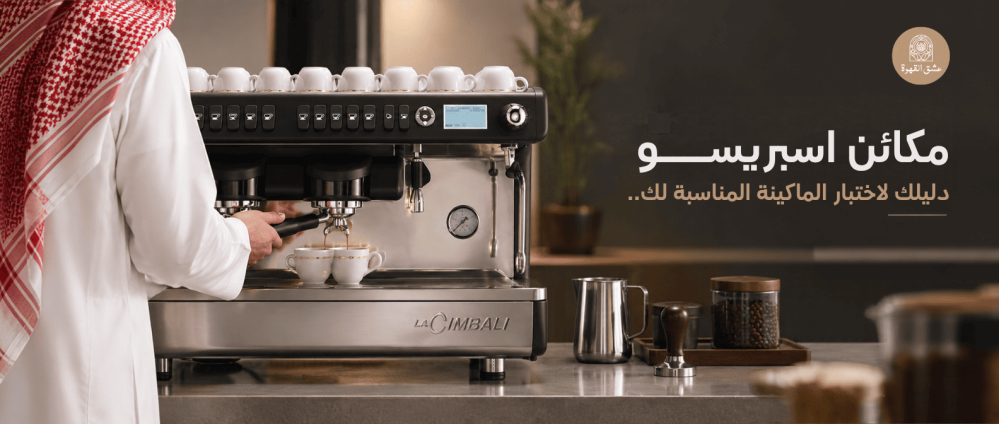
Coffee is an essential part of many people's day, and with the increasing interest in preparing high-quality coffee, espresso machines have become one of the most important choices for coffee lovers at home, in cafes, and workplaces. They give you the opportunity to enjoy a cup of espresso rich in flavor and aroma, with the ability to prepare various drinks such as cappuccino, latte, and macchiato, depending on the machine's capabilities. With the multitude of types and models, and the differences in specifications and prices, choosing the right machine can seem confusing, especially if you are buying an espresso machine for the first time. Therefore, it is important to learn about the types of machines and their features, understand the differences between home and commercial machines, as well as know the factors that affect coffee quality and ease of use.
Types of espresso machines and the uses of each type
Espresso machines vary depending on their operating method and usage. Some types are suitable for preparing coffee at home, while others are designed for use in cafes and fulfilling frequent orders. Here are the most popular types and their uses:
- Manual machines: They give you great control over the espresso preparation process and are suitable for coffee lovers who prefer to experience the preparation themselves and pay attention to details.
- Semi-automatic machines: These allow you to control some of the preparation steps, such as grinding and pressing the coffee, starting and stopping the extraction, and are suitable for home use and small cafes.
- Automatic machines: They control the amount of water and the extraction time according to their settings, which helps to prepare cups that are similar in taste and quality, with ease of use.
- Ultra-automatic machines: They perform most of the preparation steps at the touch of a button and may include grinding beans, extracting coffee, and preparing milk foam. They are suitable for homes and offices looking for speed and convenience.
- Commercial machines: They are characterized by their ability to prepare a large number of cups during the day and are suitable for cafes, restaurants and hotels that need continuous performance and speed in serving orders.
- Portable machines: They are characterized by their small size and ease of transport, and are suitable for travel, trips, and people who wish to prepare espresso outside the home.
Choosing the right type depends on the number of cups you need to prepare daily, your preferred level of control, and your available budget.
How do you choose the right espresso machine for you?
To choose the right espresso machine for you, first determine where it will be used, whether at home or in a cafe, and the number of cups you need to prepare daily. Compare the capabilities of espresso machines in terms of ease of use, power of performance, and control over coffee preparation, taking into account the available budget. Make sure to choose a machine that suits your needs and provides you with good quality coffee, along with ease of cleaning and maintenance.
The best espresso machines for home and cafes
The best espresso machines vary depending on where they are used and the number of cups required daily. There are models suitable for home use and others designed to withstand the pressure of work in cafes. Here are the most important options:
- Home espresso machines: Suitable for coffee lovers who want to prepare espresso, cappuccino and latte at home with a convenient size and ease of use and cleaning.
- Automatic home coffee machines: A practical option for those looking for speed and convenience, especially models that grind coffee beans and prepare the drink at the touch of a button.
- Espresso machines for offices: Suitable for workplaces that need to prepare several cups a day, with attention to ease of operation and speed of beverage preparation.
- Single-group commercial machines: suitable for small cafes and startups that offer a limited to moderate number of orders with the ability to control coffee extraction.
- Commercial multi-group machines: suitable for busy cafes, restaurants and hotels.. as they help prepare several orders in a short time while maintaining a consistent level of performance.
- Machines equipped with a milk frothing system: A suitable choice for those who serve drinks such as cappuccino and latte, as they allow the preparation of milk foam to a degree that suits the type of drink.
When comparing espresso machines, focus on extraction quality, temperature stability, operating speed, availability of spare parts and maintenance services so that you can choose a machine that suits your usage and expected operating costs.
Key specifications of espresso machines before buying
Before buying espresso machines, it is important to familiarize yourself with the specifications that affect coffee quality and ease of use so that you can choose the right machine for your needs.
- Pump pressure helps the right pressure to extract coffee well, and many machines operate at a pressure of up to 9 bar during extraction.
- Maintaining a stable temperature contributes to achieving a balanced taste, therefore it is preferable to choose a machine that provides good control over the water temperature.
- The capacity of the water tank affects the number of cups you can prepare before needing to refill the tank.
- A milk steaming system is important for cappuccino and latte lovers, as it helps to heat the milk and prepare the foam.
- If the machine has a built-in grinder, check that the grind setting can be adjusted to suit the coffee beans and extraction method.
- Ease of use makes preparing coffee faster, especially for beginners or in places that experience frequent requests.
- The quality of the materials and manufacturing helps to withstand frequent use and affects the lifespan of the machine.
- Easy cleaning and maintenance saves time and preserves machine performance and beverage quality.
- The availability of spare parts and warranty makes dealing with breakdowns easier and reduces long-term repair costs.
- The size of the machine and its energy consumption should be appropriate to the space and nature of the use, whether at home or in a cafe.
When comparing, make sure to choose the specifications you actually need, taking into account your budget and operating and maintenance costs to ensure you get the best out of your purchase.
The difference between home and commercial espresso machines
Home espresso machines differ from commercial ones in terms of operating capability, coffee preparation speed, production volume, and cost. Understanding these differences will help you choose the right machine for your needs, whether you want to prepare coffee at home or run a cafe that serves drinks all day.
1. Operational capability
Home machines are designed to prepare a limited number of cups per day, while commercial machines are characterized by their ability to operate for long hours and withstand frequent use without significantly affecting their performance.
2. Coffee preparation speed
Commercial machines are characterized by their ability to handle multiple orders in a short time, which is important in busy cafes, while home machines focus on meeting the needs of individuals and families.
3. Size and design
Household machines typically come in small sizes to suit kitchens and limited spaces, while commercial machines require more space to fit the work environment and provide easy access to preparation tools.
4. Capabilities and Controls
Some home machines offer simple settings suitable for beginners, while commercial machines offer wider extraction and temperature control capabilities and may contain more than one set to prepare several cups at the same time.
5. Price and maintenance costs
Home coffee machines are generally less expensive, making them suitable for personal use. Commercial machines require a larger budget for purchase and maintenance but are designed to meet the needs of businesses that rely on consistent coffee sales.
Which one is more suitable for you?
If you simply want to enjoy espresso at home, a home coffee machine might be sufficient. However, if you plan to open a café or serve a large number of customers daily, a commercial machine is often the more appropriate choice, taking into account order volume and budget.
Espresso machine prices and the factors that influence them
Espresso machine prices vary depending on the type of machine, brand, available features, and suitability for home or commercial use. Factors such as pump pressure, the presence of a built-in grinder, milk steaming system, and manufacturing quality affect the final price.
Therefore, it is preferable to compare specifications, maintenance costs and warranty before purchasing in order to choose the right machine for your budget and needs.
How to use an espresso machine step by step
Knowing the correct way to use espresso machines helps you prepare coffee rich in flavor and aroma. Here are the basic steps for use:
- Turn on the machine and wait until it reaches the appropriate temperature.
- Grind the coffee beans to a fine consistency suitable for preparing espresso.
- Place the ground coffee in the filter basket and press it down evenly.
- Securely attach the filter holder to the machine.
- Place the cup under the outlet and start brewing the coffee.
- Use a steam wand to heat the milk and create foam if you prefer a cappuccino or latte.
- Clean the filter holder and remove any coffee grounds after use to maintain coffee quality and machine performance.
Knowing these steps will help you take advantage of espresso machines and prepare your favorite drink easily every time.
Tips for cleaning and maintaining your espresso machine
Regular cleaning and maintenance of espresso machines helps maintain coffee quality, extend machine life, and reduce breakdowns. Here are some of the most important tips you can follow:
- Clean the filter holder and coffee basket after each use to remove coffee residue and oils.
- Wipe the milk steamer stick with a dedicated cloth, then release a little steam to clean it from the inside.
- Clean the extraction kit regularly according to the manufacturer's instructions.
- Use suitable water to reduce the buildup of limescale deposits inside the machine.
- Remove limescale deposits using a dedicated cleaner and according to the manufacturer's instructions.
- Empty the drip tray and clean the water tank regularly to prevent the buildup of dirt and odors.
- Check the rubber gaskets and filters periodically and replace damaged parts when necessary.
- Use cleaning products specifically designed for the machine and avoid harsh materials that may damage its parts.
- Follow the maintenance schedule recommended in the operating manual, especially during intensive use.
Paying attention to these steps will maintain the efficiency of your espresso machines and help you enjoy good-tasting coffee while reducing the need for frequent repairs.
Frequently Asked Questions
Q: What is the best home espresso coffee machine?
A: The best machine is the one that suits your budget and needs, is easy to use and clean, and gives you excellent quality coffee.
Q: How do I use an espresso machine?
A: Turn on the machine, put the ground coffee in the filter and press it, then fix the filter and start extracting the coffee.
Q: What are the different types of espresso machines?
A: It includes manual, semi-automatic, automatic, super-automatic machines and commercial machines for cafes.
Q: What is the difference between the different types of coffee machines?
A: They differ in terms of operating method, preparation speed, coffee control, capabilities, and suitability for home or commercial use.
Choosing the right coffee machine is your first step to enjoying flavorful espresso at home or in a cafe. With the variety of espresso machines available, you can find the option that suits your needs and budget. At Ashq Specialty Coffee Store , we provide options to help you choose the right machine for a coffee experience where you enjoy every cup.
Start your journey with specialty coffee today and shop for espresso machines from the specialty coffee shop and choose what suits you!